

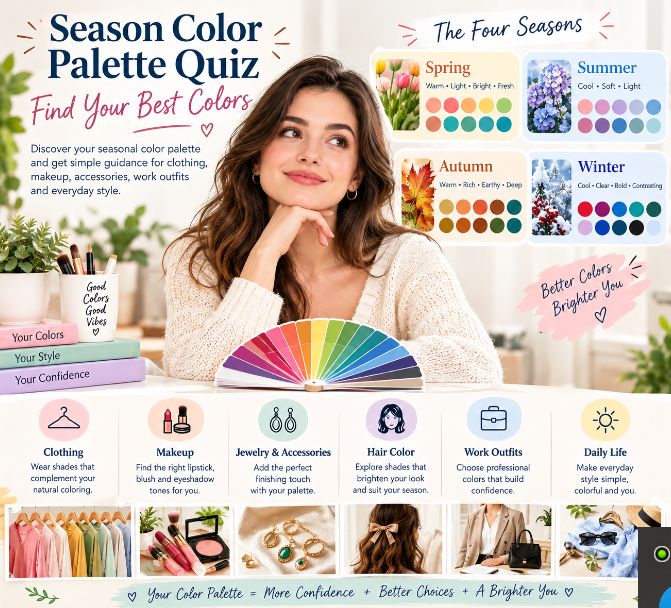
Choosing flattering colors becomes easier when you understand your personal color palette. A season color palette quiz can help you discover whether your coloring is closer to Spring, Summer, Autumn, or Winter. You can then use that insight to choose clothing, makeup, accessories, work outfits, and everyday colors with more confidence.
What Is a Season Color Palette Quiz? 🎨
A season color palette quiz is an online tool that estimates which seasonal color family may complement your natural coloring. Depending on the quiz, questions may consider your skin tone, undertone, natural hair, eyes, contrast, and response to different shades. The final result usually suggests a season and a group of suitable colors.
What You Can Learn
A good quiz can help you explore:
- Your likely color season
- Warm or cool color tendencies
- Light, deep, soft, or bright characteristics
- Suitable clothing shades
- Makeup and hair color ideas
- Jewelry and accessory colors
Your result is best viewed as a starting point rather than a strict rule.
How Does a Seasonal Color Quiz Work? 🔍
Most quizzes use questions designed to identify patterns in your natural coloring. Some focus mainly on skin, hair, and eyes, while others compare your response to different colors. The answers are then matched with a seasonal color type and its corresponding palette.
Main Factors
A seasonal color quiz may consider:
- Skin tone and undertone
- Natural hair color
- Eye color and clarity
- Overall contrast
- Color temperature
- Depth of your features
- Bright versus soft coloring
Understanding these factors makes your result easier to interpret.
What Are the Four Main Color Seasons? 🌸
The four-season system provides a simple framework for understanding color palettes. Each season combines different levels of warmth, coolness, depth, and brightness. Although modern systems can include 12 seasonal types, the four main categories are an easy place to begin when exploring your personal color analysis.
Spring
Spring is generally warm, fresh, and lively. Common examples include peach, coral, warm turquoise, light green, and other clear warm shades.
Summer
Summer is usually cool, soft, and gentle. Dusty rose, lavender, soft blue, cool pink, and muted berry shades are common examples.
Autumn
Autumn tends to be warm, rich, and earthy. Think olive, rust, camel, terracotta, warm brown, and deep teal.
Winter
Winter generally features cool, clear, and stronger colors. Emerald, cobalt, cool red, black, crisp white, and jewel tones are common examples.
How Do the 12 Seasonal Palettes Work? 🌈
A four-season result can be useful, but some color systems go further by dividing each season into three subtypes. These 12 seasonal palettes provide more detail by considering characteristics such as warmth, depth, softness, and brightness. This can help explain why two people in the same broad season may suit different shades.
Spring Subtypes
Spring may be divided into Light Spring, True Spring, and Bright Spring. These palettes generally remain warm and lively but differ in lightness and intensity.
Summer Subtypes
Summer can include Light Summer, True Summer, and Soft Summer, ranging from lighter cool shades to softer and more muted colors.
Autumn Subtypes
Autumn may include Soft Autumn, True Autumn, and Deep Autumn. These palettes share warmth but vary in softness and depth.
Winter Subtypes
Winter commonly includes Deep Winter, True Winter, and Bright Winter, with differences in depth, temperature, and color intensity.
What Does Your Quiz Result Mean? ✨
Your season name is only part of the answer. The most useful information is the character of your palette: whether it is warm or cool, light or deep, and soft or bright. Understanding these qualities helps you choose colors more accurately instead of simply memorizing a list of shades.
Look Beyond the Season Name
For example, two people may both receive an Autumn result but prefer different shades. One may look better in softer colors, while another may suit deeper and stronger tones.
Build Your Personal Palette
Choose a few colors that consistently work well near your face. Add reliable neutrals, then include accent colors for variety.
What If You Get Different Season Results? 🤔
Different quizzes can sometimes produce different results because they use different questions, images, scoring methods, and seasonal systems. A conflicting result does not always mean something went wrong. Instead of focusing only on the season label, compare the actual color characteristics and test the suggested shades in real life.
Compare the Common Traits
If one result says Summer and another says Winter, check whether both point toward cool colors. Then compare brightness, depth, and softness.
Test Colors in Natural Light
Place different clothing colors near your face in daylight. Notice which shades create a more balanced and fresh appearance.
Do Not Depend on One Color
Judge several colors together. A complete palette gives you better information than testing a single shirt or lipstick shade.
How Can You Test Your Color Palette at Home? ☀️
You can learn a lot by testing colors yourself after taking the quiz. Good lighting and similar-sized color samples make comparison easier. The goal is not to find a perfect shade immediately. Instead, look for repeated patterns across several colors and notice which combinations appear most harmonious with your natural features.
Use Clothing or Color Samples
Place different warm, cool, light, deep, soft, and bright colors near your face. Compare them under natural daylight.
Take Photos for Comparison
Photos can help you compare several colors side by side. Keep the lighting and camera position as consistent as possible.
Notice the Overall Effect
Look for colors that make your features appear balanced and clear rather than focusing only on whether you personally like the shade.
How Can You Use Your Palette in Daily Life? 👗
A color palette becomes valuable when it makes everyday decisions easier. You can use your seasonal colors when buying clothes, planning outfits, choosing makeup, selecting jewelry, or organizing your wardrobe. You do not need to replace everything you own. Start with pieces that sit close to your face and build from there.
Clothing and Wardrobe
Use your strongest colors for tops, dresses, jackets, scarves, and other pieces around your face. Choose seasonal neutrals for trousers, coats, and basic wardrobe items.
Makeup and Hair
Your palette can provide ideas for lipstick, blush, eyeshadow, and hair color. Test shades gradually rather than making major changes based on one quiz result.
Jewelry and Accessories
Use suitable colors through jewelry, glasses, scarves, handbags, and other accessories. Small changes can bring your palette into an existing wardrobe.
How Can a Color Palette Help at Work? 💼
Your seasonal palette can make professional dressing more organized. Instead of buying random colors, you can create a small group of coordinated shades for work. Reliable neutrals can form the base, while seasonal accent colors add personality without making outfits difficult to combine.
Create Easy Work Combinations
Choose a few dependable neutrals and two or three accent colors. This gives you more outfit combinations with fewer pieces.
Make Shopping More Focused
Before purchasing a new work item, compare its color with your palette. This can help you avoid buying pieces that rarely work with the rest of your wardrobe.
What Are Common Season Color Quiz Mistakes? ⚠️
Even a well-designed quiz can become less useful when answers are based on personal preferences rather than natural coloring. Lighting and appearance can also affect your choices. Avoiding a few common mistakes can help you get a more useful result and understand your palette with greater confidence.
Choosing Favorite Colors
Your favorite shade may not be your most flattering shade. Answer based on how colors interact with your natural features.
Using Poor Lighting
Strong yellow, blue, or artificial lighting can change how colors appear. Natural daylight is generally easier for comparison.
Ignoring the Full Palette
Do not reject a season because you dislike one recommended color. Look at the overall pattern across several shades.
Frequently Asked Questions
What is a season color palette quiz?
It is an online quiz that helps estimate your seasonal color type and suggests a palette that may complement your natural coloring.
Is a four-season quiz enough?
It can be a useful starting point. A 12-season system may provide more detail if you want a more specific palette.
How do I know if my quiz result is correct?
Test several recommended colors in natural daylight and look for consistent patterns rather than relying on one shade.
Can my color palette help with work clothes?
Yes. It can help you select coordinated neutrals and accent colors for a practical professional wardrobe.
Do I have to follow my color palette strictly?
No. Your palette is a guide. Personal preference and comfort still matter when choosing what to wear.
Conclusion
A season color palette quiz can help you understand which color families may work best with your natural coloring. Use your result as a starting point, compare several shades in real life, and gradually bring your best colors into clothing, makeup, work outfits, and everyday style.